Window Glass Repair in Jacksonville
Glass repair may mean replacing a cracked pane or a sealed insulated glass unit while retaining a suitable sash and frame. Confirm the glass specification and the condition of the surrounding assembly first.
Identify where the problem is located
Compare glass-only work with complete window replacement when the existing frame may still be usable. This guide helps distinguish those scopes before ordering a new unit.
Condensation that wipes from the indoor surface is different from haze trapped inside a sealed unit. Exterior condensation can also occur without an internal seal failure. Look from a safe position and describe where the moisture appears, when it changes, and whether there are cracks or visible deposits. Avoid disassembly just to determine which surface is affected.
For cracked glass, note whether the opening is accessible to children or next to a walking route, then seek qualified help to make it safe. The immediate protection plan and the permanent repair are separate tasks. Do not assume a remote photograph proves the glass type or explains the cause of breakage.
Know what an insulated glass unit includes
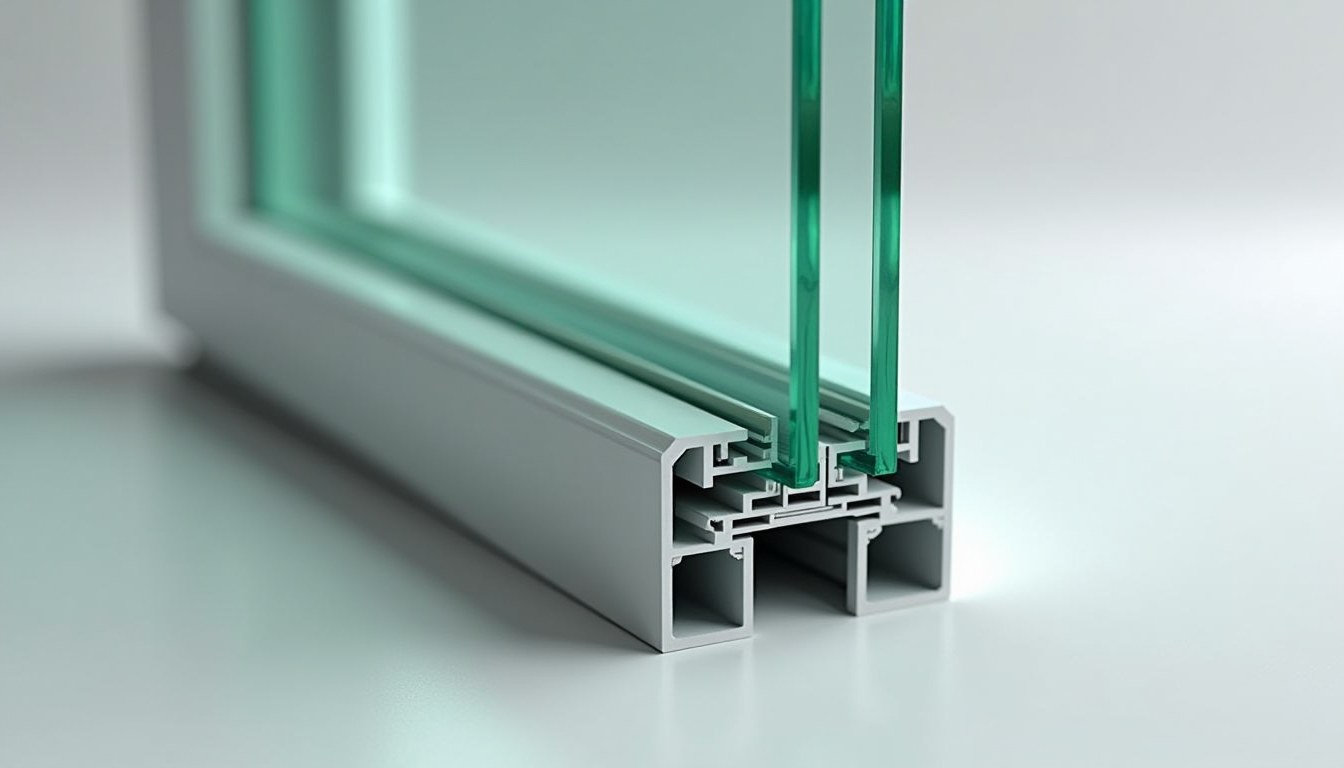
An insulated glass unit, or IGU, is a sealed assembly with panes separated by a spacer. The glazing package can include coatings, gas fill, grids, and specific glass types. Matching only the visible width and height can miss thickness, edge details, coating placement, tint, and safety requirements. A qualified specialist should identify the appropriate specification before fabrication.
Retaining the existing frame can make sense if its condition and design support replacement glass. Ask whether the sash, seals, setting components, and drainage have been examined. If the frame is deteriorated or water is entering through the wall connection, replacing the IGU may improve visibility while leaving the main problem untouched.
Do not confuse defogging with rebuilding a sealed unit
A treatment marketed as defogging should be evaluated against a clear written description of what it does. Ask whether it replaces the sealed unit, changes vents, removes deposits, or merely improves appearance. Do not assume a treatment restores the original seal, gas fill, energy performance, warranty, or service life unless the provider supplies appropriate supporting documentation.
Compare the proposed treatment with a compatible replacement IGU, including appearance and remaining limitations. If the original window still has manufacturer coverage, contact that provider before authorizing modifications. Keep photographs, identifying labels, and purchase records to support the discussion without assuming the claim will be accepted.
Preserve the required glass characteristics
Tempered safety glass and laminated glass have different characteristics, and neither description alone proves that an entire window is hurricane impact rated. Doors and certain window locations can trigger safety-glazing requirements. A replacement must respect the applicable use and approved assembly instead of substituting ordinary annealed glass because it is easier to obtain.
For an impact-rated window, ask the manufacturer or qualified specialist to document the permitted repair. The frame, glass retention, hardware, and attachments work together. Consult the impact-window guide before accepting a glass-only upgrade claim. The Florida product approval database can support identification, but the correct record must match the actual system.
Choose glass repair, hardware repair, or replacement
If the pane is the only failure and the supporting components remain suitable, glass-only work is worth comparing. If the sash will not stay open or the lock will not align, the issue may belong in window repair. Distorted frames, recurring opening leaks, or unavailable compatible parts may justify a replacement assessment.
Have the proposal distinguish what is being restored and what remains unchanged. A new low-emissivity glass option may alter tint or reflectivity relative to nearby units. NFRC ratings describe specified whole-window products; do not present the original certified rating as automatically applicable after an undocumented change in glass construction.
Prepare a precise order and completion record
Ask the responsible provider to verify dimensions and glass details and to identify who bears responsibility for measurement and fabrication errors. Include removal, disposal, access equipment, finish protection, permit determination, and any replacement glazing beads or gaskets in the scope. Older painted sashes may require consideration of EPA lead-safe renovation rules before removal work.
After installation, inspect visible condition from normal viewing positions and check normal sash operation if it was disturbed. Keep the glass specifications and written warranty limits. For a heavy sliding panel, use the patio-door guide to consider associated hardware and thresholds. Return to all service topics when more than the glass needs attention.
Frequently asked questions
Can one cracked pane in double glazing be replaced?
A sealed double-pane assembly generally needs evaluation as a complete IGU rather than an on-site swap that leaves the original sealed cavity intact. Ask the fabricator what assembly will be supplied and how its specifications match the original. The surrounding sash may be reusable, but the provider must assess its condition and retention system before promising a glass-only solution. See the replacement scope checklist.
How do I tell whether condensation is between the panes?
If moisture is accessible on the room-side surface, it is not trapped within the sealed cavity. Exterior surface moisture is another possibility. Observe from a safe location and describe what can be wiped away without leaning out or removing components. Persistent inaccessible haze is useful diagnostic information, but a technician should confirm the source before you order replacement glass. See the repair assessment guide.
Can new glass be a different color from neighboring panes?
Yes. Coating type, tint, thickness, and manufacturer differences can affect appearance. Ask for the proposed specification and, where feasible, a representative sample viewed beside the remaining windows. Exact matching may not be available for an older product. An association or historic review may also constrain appearance, so resolve those requirements before committing to custom fabrication. See the front-elevation planning guide.
Will a glass-only repair restore the original warranty?
Not automatically. Existing coverage may have exclusions, transfer limits, claim procedures, or requirements for authorized service. Contact the manufacturer with identifying records before accepting a modification. Ask the repair provider to distinguish its own warranty from any remaining original coverage. A paid glass replacement is not proof that all original product or installation obligations have been renewed. See the replacement scope checklist.
Can ordinary glass replace tempered glass?
Do not make that substitution without a qualified determination of the applicable safety requirements and assembly specification. Glass used in doors and other hazardous locations may need safety glazing, and the original product can carry additional requirements. Have the specialist identify the correct material and markings. Availability or a lower quote is not a sound reason to bypass the required specification. See the patio-door planning guide.
Is a glass repair permit-free in Jacksonville?
The actual scope and jurisdiction determine the answer. A minor component repair, a change to an approved assembly, and a full window replacement are not equivalent. Ask the building department for the project-specific determination when unclear. Jacksonville historic properties can also need exterior-work review, and that review is separate from whether a building permit is required. See the Jacksonville approval guide.
How long does replacement glass take to obtain?
Timing depends on verified measurements, glass type, coatings, shapes, grids, fabrication, and safe access for installation. Ask the provider for a current written lead-time estimate and what happens if glass arrives damaged or incorrect. This page does not promise same-week service. If the opening is unsafe, discuss temporary protection separately rather than waiting without a safety plan for the finished unit. See the repair assessment guide.
Sources and next checks
- Florida Building Commission product approval search
- NFRC consumer window buying guide
- EPA Lead Renovation, Repair and Painting Program
- Jacksonville Certificate of Appropriateness process
- City of Jacksonville Building Inspection Division
Requirements and product listings can change. Confirm the applicable requirements with the authority responsible for the property.